
By Grant Horn ’28
Roland Park was bought by a Chicago investment firm in 1891. Now, it is regarded as one of Maryland’s most prestigious neighborhoods near North Baltimore. But Roland Park has a rich history of urban development, transforming from open land into a more suburban-style city.
Roland Park faces challenges typical of well-established, high-demand neighborhoods. Like many historic communities, the area has seen rising property values and debates over preservation versus modern development. While many longtime residents treasure the neighborhood’s historic homes, some worry about losing their original charm due to the growing influence of developers.
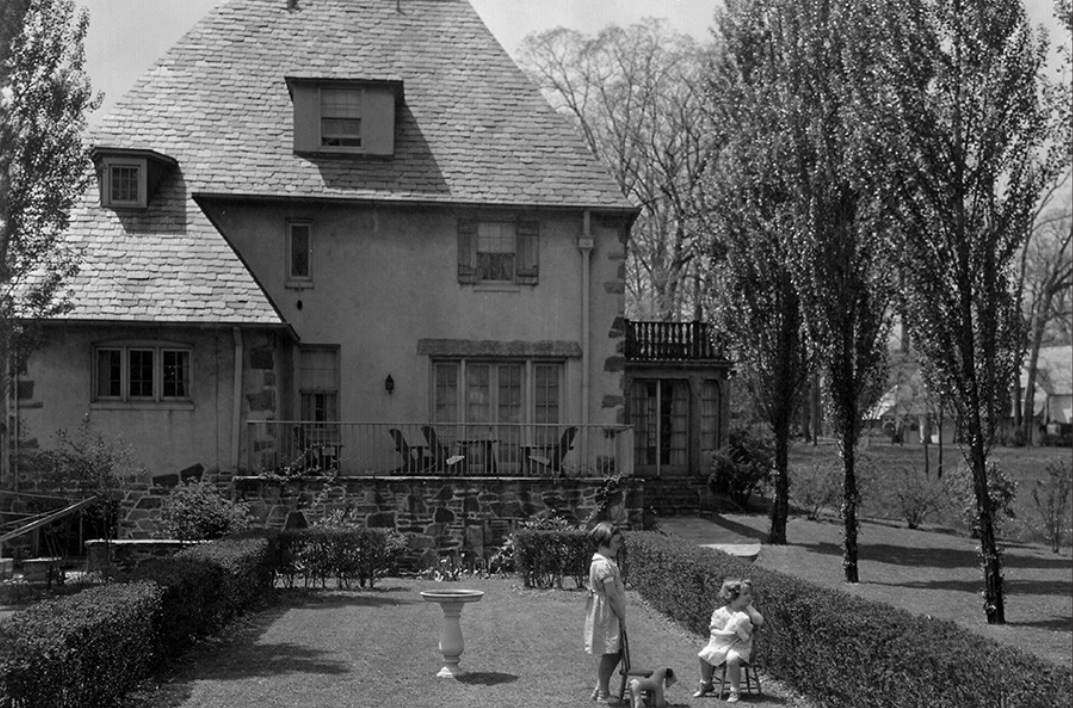
For example, my house used to be one of the main homes for wealthy residents. There is even a barn in the back where they used to keep horses. Today, Roland Park has developed further, adding townhouses next to larger homes to create a more cohesive city-like feel.
In the early 1900s, Roland Park was a predominantly white neighborhood, but during that time, Baltimore saw a major wave of immigration. By 1900, more than 600,000 immigrants had arrived in the city, and many settled in surrounding neighborhoods. Some immigrants worked for the shopping center or as maids, often living in the attics of wealthy residents’ homes.
One of the major factors in Roland Park’s growth was the development of the streetcar suburb. Built between 1890 and 1920 for upper-class residents, the early phases of the neighborhood were designed by Edward Bouton and Frederick Law Olmsted Jr. Another defining feature of Roland Park is that it was home to one of the country’s first planned shopping centers.
However, there were issues with segregation. Roland Park was initially designed to be an all-white neighborhood. The community’s lawyers even contacted the law firm of Schmicker & Whitelock to ask whether they could legally include language in property deeds restricting who could buy and live there. This was done to ensure the neighborhood remained exclusively white.
The future of Roland Park looks promising. Efforts to preserve its historical character while welcoming new residents and businesses will help maintain its reputation as one of Baltimore’s oldest and most prestigious neighborhoods. As urban development continues, Roland Park remains an example of careful city planning.
The story of Roland Park is one of thoughtful planning and cultural evolution. The neighborhood’s development set an early example of smart urban planning—ideas that are still used in cities today.
Sources:
- Streetcar Suburb – Wikipedia
- JHU Hub – Roland Park Papers
- UB Archives – Roland Park Maps
- Alfred R.L. Dohme, 1949. “Roland Avenue Was a Dirt Road,” Baltimore Sun Magazine, June 12.
- Image Credit: Johns Hopkins Magazine




Leave a Reply