
By Collin Fitzell
The 1970s saw a tremendous amount of change. Music was changing laws, civil movements were being enacted and being dismissed and, overall, it was a time of rebellion. In the 70s nobody wanted to conform. They wanted to “stick it to the man” and have their voice heard.
Emerging from this rebellious rampage was the guitarist, Jimmy Page. In the 60s, Page saw early fame as part of the rock group The Yardbirds. This band saw many other guitarists gain similar fame including Eric Clapton and Jeff Beck. Coming out of The Yardbirds, Page wanted to do something new. He wanted to create something that would inspire a generation.
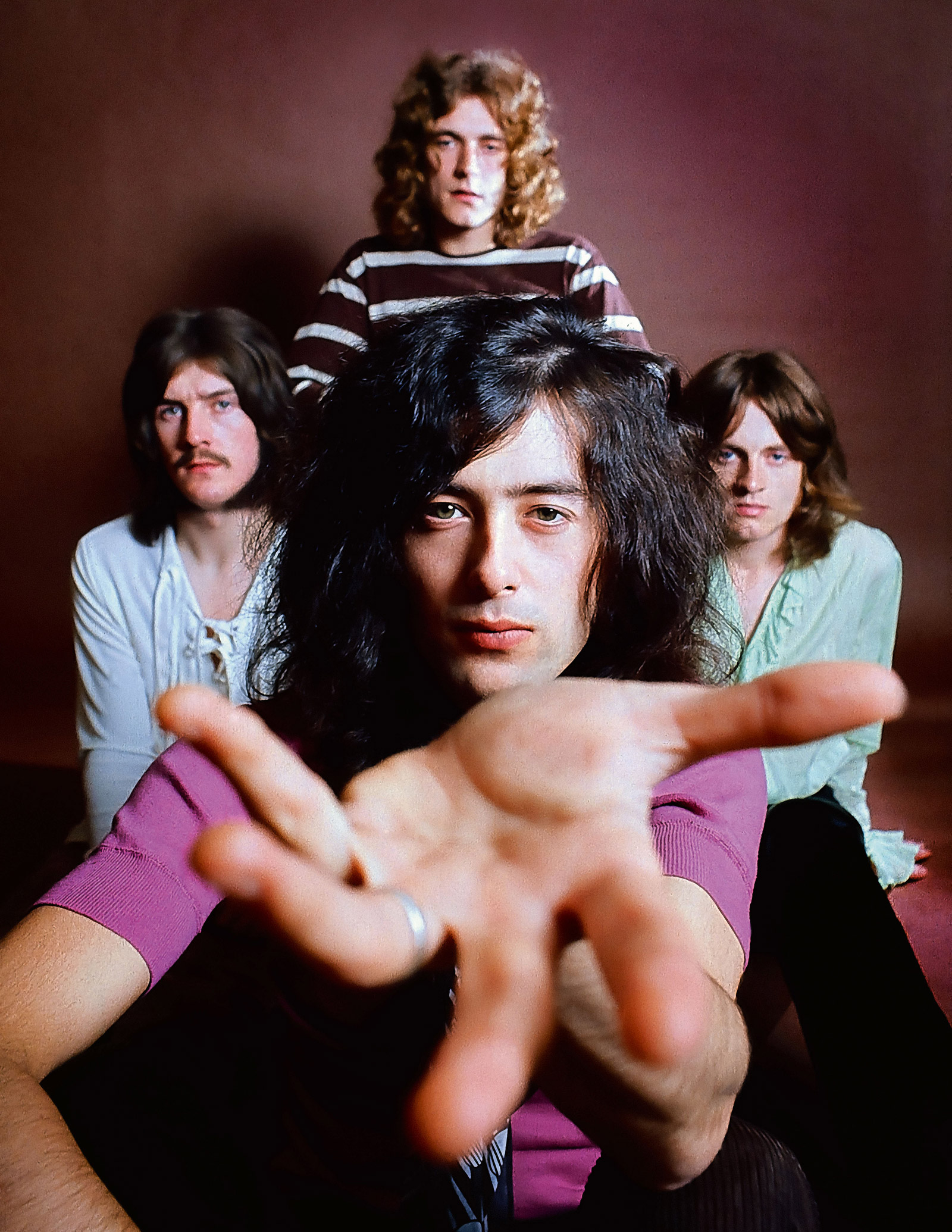
Starting in 1968 the band Led Zepplin would come to fruition. The four-person lineup included some of the most talented musicians in all of rock and roll history. Jimmy Page played the guitar like no other. With his melodic solos and complex riffing style, Page left a mark on the world of guitar playing, not to mention his iconic double neck Gibson SG. Many cite Page as one of their leading inspirations for picking up the six string.
The drummer, John Bonham, was not one to fool around. His complex and out of tempo drum fills made him stand out in most recordings. “Black Dog” is famous for its oddly timed drums in relation to the other musical elements.
John Paul Jones was their bassist. Jones seems to get swept under the rug when Led Zeppelin is brought up. He seems to get the short end of the stick and maybe it’s because bass isn’t as prominent in the band as say guitar, but Jones still had amazing talent, and I think the band should’ve used his full potential.
Last, but certainly not least, is the mighty Robert Plant. Plant is regarded to have one of the most accomplished and best voices in all of rock and roll. His expansive vocal range made his singing spectacular for what the band was trying to accomplish. In total the band had a star-studded cast, and they were going to go far.
In 1969 Zeppelin hit the ground running releasing the self-titled Led Zeppelin. With instant hits like “Dazed and Confused” that really displayed Plant’s vocal talent and “Good Times Bad Times” that is a groovy foot tapper. The same year, 1969, the band released their sophomore album the aptly titled Led Zeppelin II. The band’s second album was just as good as the first. It had instant classics such as “Ramble on” and “Whole Lotta Love”. This album has tons of guitar driven, dirty riffage and even more of the vocal work that was so highly praised in the band’s first release. The band toured the UK and the U.S. during this time and wound up blasting themselves into stardom by the mid 70s.
Into the 70s they went. Zeppelin wasn’t just one of those silly rock bands, they were new, they were different, they were here to stay. In 1970 the band released the album Led Zepplin III as the third album in their ever-growing discography. Led Zeppelin III was by far their biggest hit to date. With the song “Immigrant Song” seeing much love and praise. It was shot onto the scene, and it made waves on the charts. The rest of the album was also highly regarded.
It wasn’t until 1971 that Led Zeppelin released their magnum opus, Led Zeppelin IV. Led Zeppelin IV sent shockwaves through the musical world. The whole album is a timeless classic that has been exhausted to no end. Most people regard it as the peak of 70s rock and roll and some even consider it to be the origins of heavy metal, along with Black Sabbath’s Black Sabbath (1969) and Deep Purple’s Machine Head (1972).
Even if you think it’s the origins of heavy metal or not it is impossible to disregard the impact the album had on the world. School dances played “Stairway to Heaven” and it got awkward when the solo kicked in and all the slow dancing stopped. And “Black dog” was being blared on car stereos. The band was on top of the world.
After this release of Led Zeppelin IV, the band released Houses of the Holy in 1973 and Physical Graffiti in 1975. Those were the last of the great Zepplin albums because, like most bands, they started to “fall off” and become too “boring”.
It all came to a head in 1980. The band was on tour and after a night of indulging in alcohol and other substances, John Bonham wasn’t feeling too well. He was highly inebriated so John Paul Jones, along with the band’s tour manager, helped him back to his hotel room. Reports from the band state Bonham laid down on his side and fell asleep. Assuming he would be better in the morning, they left. The next morning when they went to check up on him, he was deceased. The cause of his death was ruled as asphyxiation from choking on vomit from the night before. Zeppelin was very shaken up by this loss and a decision was made to disband the band. Led Zepplin officially broke up later that December.
The legacy that Zeppelin has left will most likely live on forever, being passed down through the generations. In 2012 the band Heart covered the legendary “Stairway to Heaven” at a tribute concert in commemoration of Led Zeppelin. The cover is very original, adding a choir and many other orchestral aspects. Overall, the legacy of Led Zeppelin is wildly impactful and will live on for years to come. Long live “the best band of all time”, long live Led Zeppelin.


Leave a Reply