
By Max Han ’24

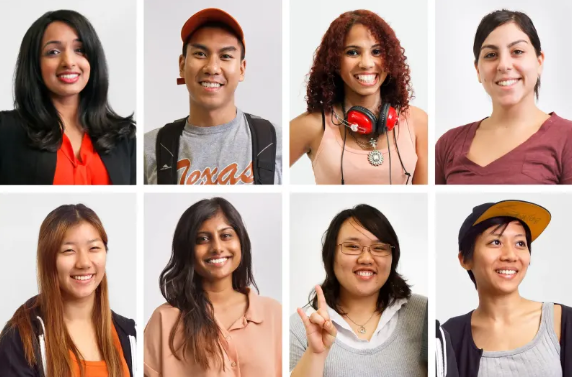
Source: Michael Stravato for The New York Times
I never questioned the high academic standards Asian parents set until a fellow Asian collapsed under the pressure. Chronic fatigue from overstudying and the fear of failing to meet expectations finally pushed him to depression. Having to juggle multiple AP classes while under constant pressure of having to earn A’s on every assignment, he finally gave out.
Many Asian parents place a high value on academic achievement with the ultimate goal of their child getting into an elite college. In the Asian community, this presents a presumably reliable path to socioeconomic stability which is synonymous with success. While our traditional values of greater respect given to certain fields, whether it be medical or STEM related, can positively influence some Asian students, the path may be overcrowded with kids whose diverse talents and goals are sacrificed for a rigid, planned outcome that may ultimately lead to unhappiness.
I wanted to understand why high expectations are so common in the Asian American community, so I looked at our history. Asian immigrants came to the United States in search of opportunities they couldn’t find in their home country. Even worse, the new land was inhospitable: according to Erika Lee’s “The Making of Asian Americans”, Asians have faced significant discrimination, persecution, and violence since the 19th century. Relentless perseverance accompanied by a willingness to work under any circumstances were the only available strategies to overcome challenges and plant a foothold in America.
Therefore, the strongly held values of diligence and exceptionalism are deeply rooted in our immigration history. This stems in part from a profound fear that Asian Americans could be marginalized again in American society due to socioeconomic instability. However, the extreme focus on securing the future creates a highly competitive environment, and individual success does not represent the whole community. Other than winning the title of “model minority,” the Asian American community has made only minute progress in becoming a prominent force in the United States. During the Covid 19 pandemic, Asian Americans were isolated again, becoming the victims of racism, just like we had been in the past. Even the seemingly complimentary descriptive “model minority” is a crown worn only by a few and overshadows the many Asian Americans who don’t achieve the same level of success. The lack of social acceptance and the sense of failure takes a heavy toll on the mental health of these “unsuccessful” Asian American kids. In fact, Asian American adolescents have suicidal ideations more than any other race, with suicide being the leading cause of death among Asian Americans aged 15-24. Despite the fact that the pressure Asian parents enforce is out of wanting the best for their children, the reality is that having to live up to these harsh and often unforgiving expectations is becoming extremely suffocating.
My fellow Asian Americans, we recognize the impact that our history has on our pursuit of a better life. The negative effects our obsession with socioeconomic stability brings to our community cannot be ignored. Our dreams and self-image should not be limited only by the amount of “success” we achieve. No longer should we choose to remain trapped within our own walls, but instead expand our horizons and accept ourselves for who we are, not who we are expected to be. The alternative—the status quo—is literally killing us.
Please reach out to a trusted friend, adult, or advisor if you are struggling with your mental health. For professional help, check out this list of mental health hotlines.




Leave a Reply