
By Sunaya Dravida ’25
Finals are coming, and that means that it’s time for students to start reviewing. Maybe you’ve started studying and don’t think you need any more tips, or maybe you always procrastinate until the day before your exam. Regardless, this article has something helpful for everyone. Exams can be a source of stress for many, so what follows are tips from students and teachers to help you feel more confident when taking final exams in May in math, English, history, science, and world languages.
Math:
Mr. Anderson recommends spreading out your studying throughout the weeks before to make sure that you get enough sleep beforehand. Ms. Golato suggests reading over your notes and actively studying by completing problems. It is common for students to have a false sense of security after skimming through their notes, only to discover during the exam that they don’t understand the material as well as they thought. Ms. Felderstein and Ms. Golato recommend using the internet as a resource to find extra practice problems, so you feel more confident in what you’re practicing.
English:
English exams can be hard to study for because they can vary greatly. Luckily, many tips are universal. Ms. Froman suggests that you first pull together the material you know that you need to study. Then create a chart with key information from each text that you are being tested on. She recommends that the chart contain the title, genre, author, setting, symbolism, theme, characters, and any other content you find useful. This helps lay out the books to be on the exam, so that you can identify deeper meanings and connections between two texts.
If you annotated when reading, looking over your annotations can also help to refresh your memory on literary devices like motifs and symbols. Finally, Ms. Froman suggests that students look at their graded work and see the notes their teachers wrote on them, to reinforce the areas they should work on.

Illustration by Sunaya Dravida ‘25
History:
History exams may seem challenging, but Mr. Louzan has provided some tips. Mr. Louzan suggests studying when you are alert, not directly before bed, when you’re likely to be tired. He says that skimming a reading prior to reading it fully can give you a first impression of the text when either reading a section of the exam or reviewing old textbook assignments. Mr. Louzan also suggests explaining a historical topic to someone else. If they understand, then you will likely have a good grasp on the topic. Finally, he stresses creating organizers, timelines, and charts.
Science:
Studying for science, according to Mr. Chipkin, can’t be done only the night before. He encourages students to keep up with classwork and think beyond the problems, making sure they understand all of the core concepts. If you don’t understand a concept, he suggests asking more questions, whether in class or for extra help outside of class.
Mr. Jensen recommends spacing out your study time and taking breaks often. Many shorter sessions, he states, are more effective than one long one. He stresses the importance of practicing self-care by starting to study early. He suggests removing distractions from your study space and starting with the areas that you are less strong in so that you can ask for help prior to the exam. Much like Mr. Louzan, Mr. Jensen says that making things such as concept maps, quizzing, and practice problems are much more helpful than just reviewing notes.
Language:
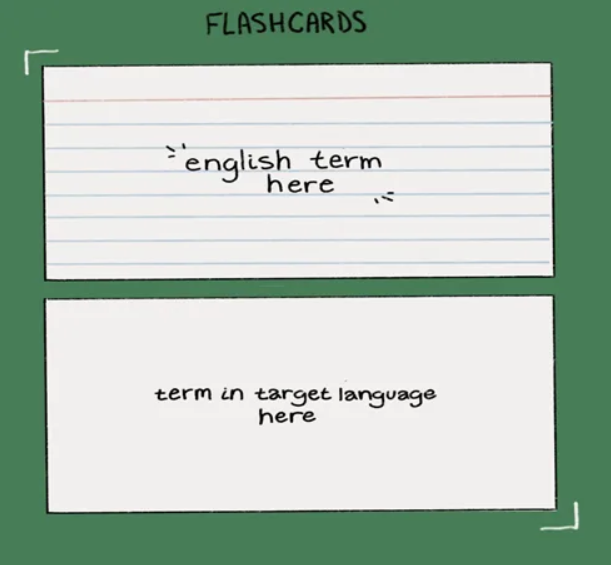
Learning a language is difficult, and studying for a language exam may seem even harder. Ms. Wang says that flashcards are a helpful tool, as well as reviewing past assignments to help you see what you need to work on. If there’s an oral part of the exam, she suggests studying with a friend, as that helps to create a similar environment to that of the exam.
Ms. Burstein suggests printing vocabulary lists for all previous units and writing the words in English on the left side of a paper and in your target language on the right side. Pick a side to cover and try to translate the words from memory. She provided some tips on how to study verb conjugations. This consists of printing blank verb charts to fill out, using Conjugemos (conjuguemos.com is a website for practicing conjugating verbs in French, Spanish, and German), and watching videos in your target language on the topics that were covered in class.
Ms. Vespoint suggests rewriting class notes and actively highlighting important terms and standing and practicing speaking when going over vocab and conjugations. Reading them aloud, she says, allows you to recognize patterns that will help you retain the information.

Illustration by Sunaya Dravida ‘25
Student Tips:
I spoke to a few students to learn their study tips. Chloe Baker ’26 suggests that you write out everything you know about a subject on a piece of paper, to show both what you know and what you might need to do a bit more work on. Erin Verch ’24 suggests the Pomodoro technique, a method of time management that involves 25 minutes of focused work followed by five-minute breaks. Zsofia DeCheke ‘26 suggests scheduling specific time for studying, and listening to instrumental music that isn’t too distracting while you work.
One trend in these suggestions is to study with friends and to study actively, which can help you prepare for exams in all subjects. May they be helpful guides for those looking for more study tips to excel on final exams.
Thank you to all the teachers and students who either sent or talked to me about their favorite study tips and habits.




Leave a Reply